Last updated: November 18, 2026
Why Icy Bridges and Shaded Turns Demand Extra Caution on China Mountain Roads
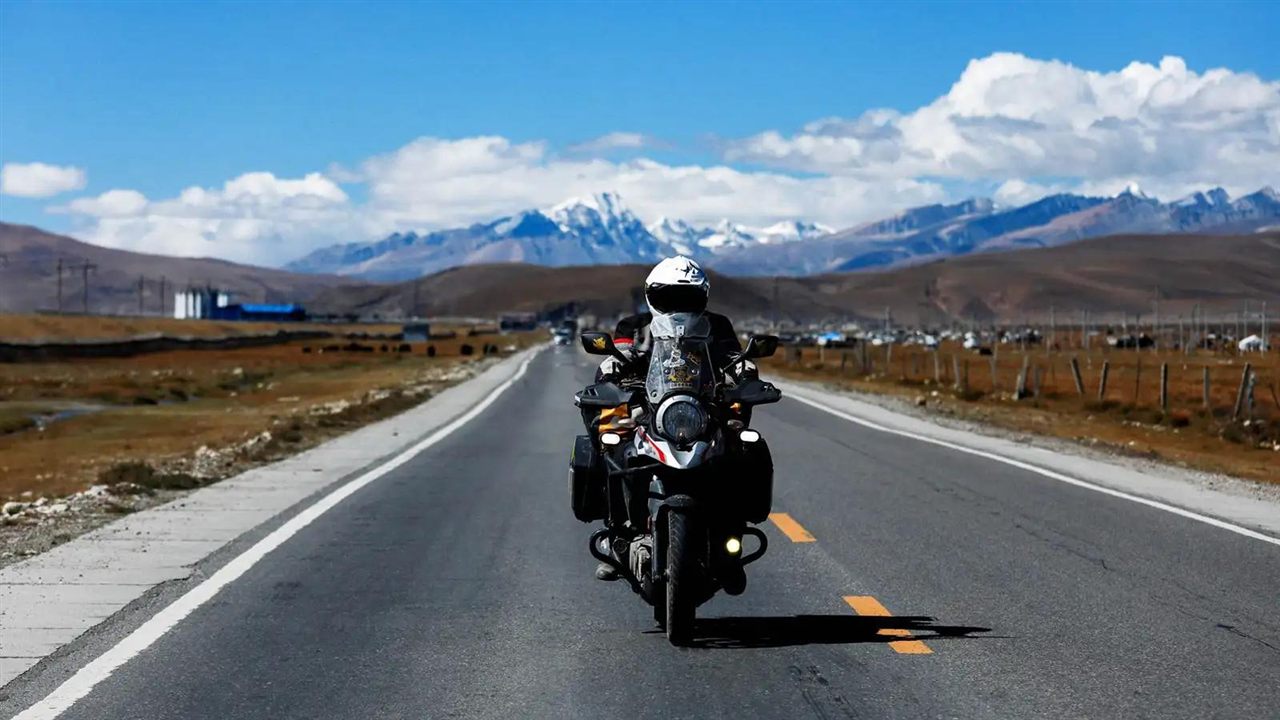
Last November, I crested the G214 pass near Markam on my UK-registered right-hand-drive Triumph Tiger 900, the tarmac pale with frost that glinted like scattered glass in the low sun. I’d planned the ride to take advantage of clear autumn air, but I’d forgotten one universal mountain truth: bridges hold cold longer than the road beneath them, and north-facing turns stay shaded until mid-morning, even when the rest of the route is dry. That day, I hit an overpass just as the temperature dropped to -2C, the front end slipping half a foot when I leaned for a gentle left bend. I got lucky—no drop, no scrape, just a jolt of adrenaline that reminded me how unforgiving these hidden ice patches can be, even for riders who’ve spent years on alpine roads.
Many first-time riders planning a motorcycle entry into China focus entirely on border paperwork, route permits, and bike specs, but the unspoken test of a smooth trip is reading the road surface before you hit it. China’s high mountain highways (G109, G318, G214) are beautifully surfaced, but they cut through deep valleys and high passes where microclimates shift every kilometre. Shaded corners and bridge decks are the two spots where ice forms first, lingers longest, and catches out even experienced riders.
Adjusting Your Riding Line for Icy Bridge Decks
Bridge decks are elevated, so cold air circulates both above and below the surface. That means they freeze earlier in the evening, thaw later in the morning, and stay damp even when the surrounding road is dry. I learned this the hard way on a run between Shangri-La and Deqin, when I crossed a small concrete bridge at 60km/h, only to feel the rear tyre skate sideways as I straightened up. I’d assumed the road was dry—all the approaches were bone dry—but the bridge itself held a thin layer of black ice that was invisible in the flat morning light.
Practical Line Adjustments I Stick To Now
- Straighten your bike fully before you reach the bridge. No mid-corner leaning on an iced surface—get upright, gentle on the throttle, and avoid any brake input while you’re on the deck.
- Widen your line slightly on the approach. If the bridge has a slight curve, take a smoother, wider arc rather than cutting tight, so you don’t have to adjust your lean angle mid-crossing.
- Test the surface with a light, gentle tap of the rear brake 100 metres before the bridge. If the tyre feels vague, you know to drop speed before you reach the ice.
I’d rather lose 30 seconds slowing for a bridge than spend an hour picking my bike up off frost-covered tarmac. Most riders I meet on the road make the mistake of carrying their corner speed onto the bridge, assuming the surface will match the approach. It won’t. Elevated surfaces always run colder.
Reading Shaded Mountain Turns
Shaded turns are trickier because you can’t see the ice until you’re already in the corner. On the G318 stretch between Kangding and Litang, north-facing bends stay in shadow until 11am in winter, even when the sun is blazing on the south side of the valley. I once rounded a tight left turn at 45km/h, only to hit a patch of rime ice that had formed on the inside of the bend. The bike washed out, I put a foot down, and spent five minutes brushing ice off my boot and scuff marks off my pannier.
The key here is adjusting your speed and line before you enter the shade, not after. If you can see a bend that’s cloaked in shadow—especially if it’s after a sunny section—treat it as if it’s iced, even if you can’t see frost. Shaded tarmac holds moisture, and at temperatures below 3C, that moisture turns to ice overnight and stays frozen until direct sun hits it.
When I’m riding these sections now, I drop my speed to 30-35km/h before I enter a shaded bend, keep my inputs slow and smooth, and avoid leaning further into the corner than I absolutely have to. I also avoid the inside line on shaded turns—that’s where ice lingers longest, because it’s the furthest from the sun. A wider, slower line is always safer here.
Sorting Your Entry Paperwork Before You Ride
All this riding experience is useless if you can’t get your bike across the border in the first place. Foreign motorcycle temporary entry China rules are clear: you cannot declare your vehicle on your own. A qualified travel agency must act as your guarantor, and that agency needs a RMB 1.6 million tourism quality deposit plus three years of operation to be eligible for customs declaration.
If you’re entering from Laos, Mohan border motorcycle customs clearance is the most common entry point for riders coming from Southeast Asia. The service fee for entry here is RMB 5,000-6,000 for most vehicles, and RMB 4,000 for Laos-registered bikes. That fee covers customs declaration, immigration formalities, your Temporary China Licence, motorcycle temporary plate China (valid for 3 months), exit clearance, route filing, and on-site port assistance. It doesn’t cover the RMB 10,000 customs deposit you’ll pay (fully refunded within 3-5 working days after exit, as long as you leave on time, have no outstanding fines, and finish all customs formalities), vehicle insurance, document translation, or the ~RMB 200 vehicle inspection.
China doesn’t recognise the International Driving Permit, so we arrange your temporary driving licence as part of the service. Compulsory traffic insurance is mandatory—without it, you can’t get your temporary plate. We purchase it before entry, and you pay the actual cost. You’ll need to submit your documents 20 days in advance (a month ahead for Tibet itineraries): passport, Chinese visa, driving licence, white-background ID photo, vehicle licence, registration certificate, engine number, and photos of your bike’s front, rear, and side. Vehicles over 6 years old need an inspection certificate, and we arrange Chinese translation for all non-Chinese documents.
Remember: the temporary plate is only valid for 3 months. You can get a longer tourist visa via our invitation letter if you need more time, but the plate itself doesn’t get extended. Plan your route accordingly.
Road Rules to Keep You Out of Trouble
China drives on the right. If you’re riding a right-hand-drive bike like I was, give yourself a day or two to adjust—pulling out to overtake, positioning at junctions, and judging oncoming traffic all feel different when your steering is on the left side. I spent the first two days of my trip taking junctions extra slow, just to get used to the perspective.
Stick to your filed route. You can ride nationwide except for restricted areas: Tibet requires a full-time guide and a Tibet permit, Beijing needs a capital entry permit, and some border areas in Xinjiang and Gansu are off limits. Legal highways into Tibet are G109, G318, and G214. If you’re travelling from Xinjiang to Tibet, you’ll need to detour via Golmud on G109—direct routes across no-man’s-land are closed to foreigners.
At checkpoints or police stops, we provide supporting documents remotely, so you don’t need to carry piles of paper with you. Just keep your passport, temporary driving licence, and plate documents accessible. Ports aren’t open 24 hours, so plan your arrival time carefully—turn up after closing, and you’ll be waiting at the gate until morning.
Final Thought
The best rides in China are the ones where you slow down, read the road, and don’t rush. Icy bridges and shaded turns aren’t obstacles to fight—they’re reminders that the mountain sets the pace. Adjust your line, drop your speed, and you’ll get to the viewpoint in one piece. Get the paperwork sorted before you leave, and you won’t spend your first day at the border stressing about customs instead of enjoying the ride.