Last updated: November 18, 2026
Why Remote Mountain Passes Demand Extra Warmth Planning
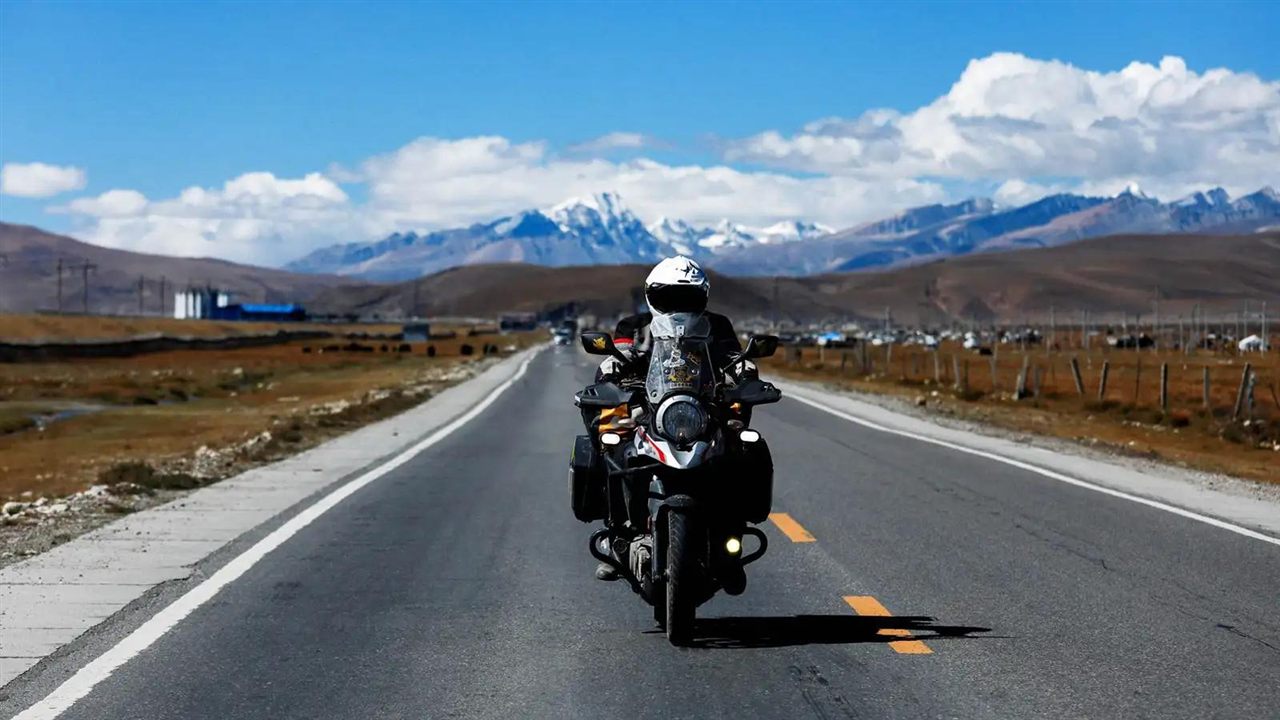
Last October, I was riding my UK-registered right-hand-drive BMW GS along the G318, 40 kilometres outside Markam on the Tibet border, when the sky turned from pale gold to gunmetal grey in 12 minutes. The temperature dropped 14 degrees Celsius as sleet pelted my visor, and I realised I’d completely misjudged the wind chill at 4,200 metres. I’d packed a thin fleece, thinking autumn on the plateau would be mild, and I was 18 kilometres from the last marked petrol station. I pulled over under a rock overhang, fingers numb enough that I could barely zip my riding jacket, and remembered the network of small, unadvertised warmth stops that local riders rely on in these parts.
Most foreign riders planning a China motorcycle road trip focus on sorting entry paperwork and route permits, but rarely stop to map out where they’ll go if the weather turns ugly on a remote pass. Unlike European mountain roads, where emergency phone boxes and mountain huts are spaced every few kilometres, large stretches of China’s high-altitude highways have no formal visitor infrastructure. Knowing where to find emergency warmth and shelter can turn a dangerous situation into an inconvenience.
Entry Groundwork: Don’t Skip These Steps Before You Ride
I made the mistake early on of thinking I could sort my motorcycle entry into China paperwork on my own, only to be turned away at the border. China does not allow individuals to declare their own vehicles for temporary entry; you must work with a qualified travel agency that acts as your guarantor, holding a mandatory RMB 1.6 million tourism quality deposit and three years of licensed operation to process your motorcycle customs declaration China.
For riders crossing from Laos, the Mohan border motorcycle customs clearance process took my group three hours total. The service fee for entry at Mohan runs between RMB 5,000 and 6,000 for most vehicles, dropping to RMB 4,000 for Laos-registered bikes. That fee covers customs declaration, immigration checks, your Temporary China Licence, your motorcycle temporary plate China (valid for 3 months, no extensions available), exit clearance, route filing, and on-site port assistance. It does not cover your RMB 10,000 customs deposit, mandatory vehicle insurance, document translation, or the roughly RMB 200 vehicle inspection fee. The deposit is paid into the agency’s corporate account (never a personal account) three days before entry, and is fully refunded 3-5 working days after you exit via the same route, as long as you have no overstays, unpaid fines, or unfinished customs matters.
A quick note: China is not part of the UN road convention, so your International Driving Permit will not be recognised. Your temporary China driving licence, arranged by the agency, is valid nationwide, including for travel on the legal Tibet highways (G109, G318, G214). If you plan to ride into Tibet, you will need a full-time guide and a Tibet permit, but no separate driving licence is required. Compulsory traffic insurance is mandatory before your temporary plate can be issued; optional commercial third-party cover starts at RMB 500,000, arranged before entry with you covering the actual cost.
Where to Find Emergency Warmth Stops on Remote Passes
After that sleet storm on G318, I followed a local trucker’s hand-drawn directions 2 kilometres off the main road to a small Tibetan family’s stone farmhouse, where they keep a wood stove burning 24/7 during the winter months. This is the kind of stop you won’t find on Google Maps.
From my three years riding across western China, the most reliable emergency warmth stops fall into three categories:
- Road maintenance worker outposts: These unmarked concrete buildings sit every 30-40 kilometres along high passes, staffed by crews who clear snow and repair tarmac. They almost always have a heated common room, hot water, and will let stranded riders wait out a storm, even if you don’t speak Mandarin. I’ve stopped at these on the G109 between Golmud and Lhasa, where winter temperatures drop to minus 20, and the workers always offer a cup of butter tea.
- Small family teahouses: You’ll spot these by the string of colourful prayer flags strung outside, usually 5-10 kilometres from pass summits. They charge RMB 10-15 for a pot of tea, and will let you sit by their stove for as long as you need. On the Khorgos to Urumqi stretch, I stopped at a teahouse run by a Kazakh family who let me dry my soaking riding gear by their fire while a blizzard blocked the road.
- Petrol station convenience stores: Even the smallest petrol stations on remote highways have heated indoor areas, and staff are used to stranded riders pulling in during bad weather. I always carry a pack of hard boiled sweets to give to station attendants, as a small thank you for letting me warm up.
- A compact, down-filled jacket that packs into the top of your pannier. I keep mine in a waterproof dry bag, so it never gets damp even if my panniers leak.
- A pair of thin, thermal gloves to wear under your riding gloves. When my fingers went numb on G318, these made all the difference, letting me grip my handlebars again.
- A reusable, insulated water bottle filled with hot water before you start climbing a high pass. Warm water does more to raise your core temperature than any number of extra layers.
- A printed copy of your route filing documents, plus a list of Chinese phrases for asking for shelter: “Wo neng zai zheli qu nuan ma?” translates to “Can I warm up here?” Most people will help once they understand you’re stranded.
A note for right-hand-drive riders: China drives on the right, so give yourself time to adjust if you’re coming from a left-hand-drive country like the UK or Australia. I made the mistake of drifting left on my first day riding out of Mohan, nearly clipping a truck on a narrow mountain bend.
What to Pack for Cold Weather Emergencies
After that Markam sleet storm, I reworked my packing list entirely. You don’t need heavy expedition gear, but you do need a few key items to stay warm if you’re stranded on a pass for a few hours:
It’s also worth noting which areas are off-limits to foreign riders, so you don’t accidentally end up stranded in a restricted zone with no shelter options. Some border-restricted areas in Xinjiang and Gansu are closed to foreigners, the G219 Dahongliutan section and Kashgar/Yecheng to Ritu (Pangong Lake) stretch are closed, the new Minfeng no-man’s-land highway is off-limits, and any route from Xinjiang to Tibet requires you to detour via Golmud on G109. Your agency will file your approved route with customs, so stick to that route; if you need to pull over due to weather, the agency can provide supporting documents remotely if you’re stopped by police.
Ports are not open 24 hours, so plan your crossing time carefully. Cross-through packages (entering at Khorgos and exiting at Mohan, or vice versa) cost RMB 8,000 for the full service, which is ideal if you’re riding a full loop across the country. I’d rather pay that flat fee than worry about per-day charges, especially if you end up staying a few extra days in a warm teahouse waiting out a storm.
You don’t need an escort or lead vehicle for most of the route, except for the mandatory full-time guide required for Tibet travel. That guide will know exactly where the nearest warmth stop is on any given pass, so ask them for local tips before you set off each day. Don’t wait for a storm to hit to find out where you can go to get warm.