Last updated: November 18, 2026
Why I’m Writing This Guide
I’ll never forget the morning I rode my 2018 Honda CB500X out of the 磨憨 port after finishing motorcycle customs declaration China for my foreign motorcycle temporary entry China. It was mid-November, the thermometer read -2°C as I pulled away from the customs booth, and I’d stuffed my regular summer riding gloves into my pannier like an idiot. Ten kilometres down the road to Kunming, I couldn’t feel my index finger on the clutch lever. I pulled over, stuffed my hands under my armpits, and realised I’d completely underestimated how cold high-altitude Chinese roads get in winter, even just a short ride from the border.
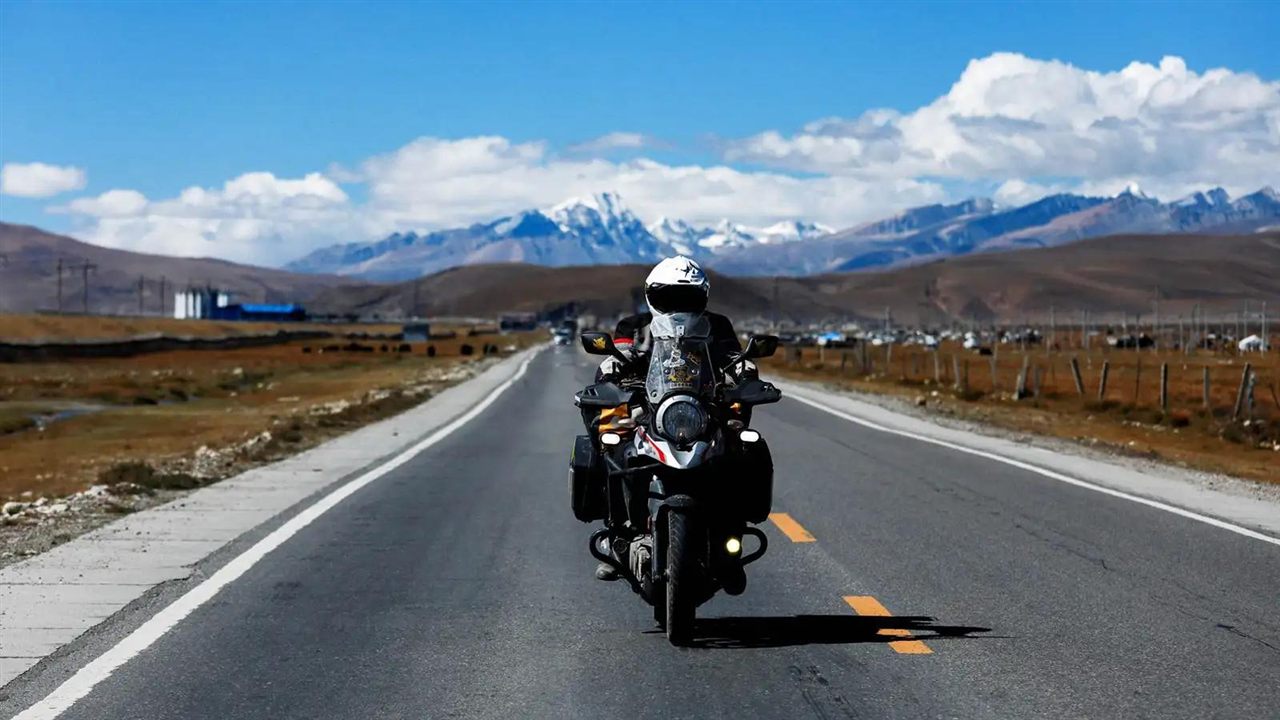
Most guides for motorcycle entry into China focus on paperwork and route permits. They don’t tell you that -5°C on a flat highway feels like -15°C at 3,000 metres, or that a 10-minute stop to take a photo can leave your toes numb for an hour if you’re not prepared. This is the stuff I wish someone had told me before my first China motorcycle road trip through Yunnan and Sichuan last winter.
Hand Protection: What Works (And What Doesn’t)
Let’s start with the mistake I made at 磨憨. Thin summer gloves are useless at sub-zero temperatures, full stop. I see so many riders arrive at the border with them, thinking they’ll “be fine once the sun comes up”. They aren’t.
I’ve tested three setups over three winter trips, and here’s what sticks:
- Neoprene handlebar mitts are non-negotiable. I used to turn my nose up at them, thinking they looked daft. Then I rode the G109 between Xining and Golmud in -8°C wind chill, and they were the only reason I could still operate my brake lever after three hours. They slip right over your handlebars, block all wind, and you can wear thin liner gloves underneath so you can still fumble with your phone or wallet when you stop. I’d never ride a winter trip in China without them now.
- Skip the cheap heated gloves. I bought a pair on my first trip, and the batteries died halfway up a pass near Lijiang. If you want heated gear, go for 12V heated glove liners that plug directly into your bike’s battery. They run for hours, no battery panic. I pair them with a thin windproof outer glove over the top, and my hands stay toasty even when it’s -10°C.
- Keep a spare pair of thin wool liners in your jacket pocket. If your main gloves get damp from melting snow (and they will, when you stop for coffee), you can swap them out immediately. Damp hands get cold 10 times faster. I learned that after my gloves got soaked riding through slush on the way to Daocheng, and I spent the next two hours rubbing my hands raw trying to get feeling back.
Pro tip: Don’t wait until your hands are cold to adjust your gloves. Stop every hour, wiggle your fingers, check for numb spots. Frostbite creeps up fast, especially when you’re focused on the road and the traffic around you.
Foot Protection: The Most Overlooked Vulnerable Spot
I see more riders mess up their feet than their hands on winter trips. Your feet are stuck on the pegs, exposed to wind blasting up from the road, and you can’t wiggle your toes as easily while you’re riding.
Last year, I rode with a mate who’d just finished clearing his bike at 霍尔果斯 port. He wore regular leather riding boots with thin socks, no insulation. Halfway to Urumqi, he pulled over and said his toes felt “funny”. We took his boot off, and his smallest toes were white. We had to rub them with snow (not warm water, that’s a common myth) until they turned pink again. He spent the next three days in a hotel room resting, and we lost almost a week of riding time.
Here’s what I do now:
- Neoprene boot covers go over your regular riding boots. They’re cheap, they block wind completely, and you don’t need to buy expensive winter-specific boots. I wear my regular waterproof riding boots, pull the neoprene covers on over the top, and add a pair of thick merino wool socks. No cotton socks, ever—they hold sweat and make your feet cold.
- Heated insoles are worth every penny. I use battery-powered ones that last 6 hours, and I keep spares in my tank bag. On long rides through the Qilian Mountains, they were the only thing that kept my toes from going numb at -12°C.
- Move your feet every time you stop. Jump up and down, wiggle your toes, take your boots off for five minutes if you’re stopping for lunch. Don’t just sit in a café with your boots still on—your feet need air to circulate.
Trip Planning That Prevents Frostbite Before It Starts
Protecting your hands and feet isn’t just about gear. It’s about how you plan your China motorcycle road trip around the cold.
First, know the temperature drop. Even if it’s 10°C at the border, it can be -10°C at 3,000 metres an hour up the road. Check local weather forecasts for high passes, not just the city centres. I always pack an extra layer in my top pannier, not buried at the bottom, so I can grab it quickly if the temperature drops.
Second, don’t ride through the coldest parts of the day. The hour after sunrise and the hour before sunset are the coldest. I try to stop for coffee or breakfast an hour after sunrise, and find a campsite or hotel an hour before sunset. It’s a small thing, but it cuts your exposure to the worst wind chill by hours.
Third, know the rules of the road so you don’t get stuck in the cold. Remember that motorcycle entry into China requires a qualified travel agency as your guarantor—you can’t clear customs on your own. When I did Mohan border motorcycle customs clearance last year, the agency handled all the paperwork: the Temporary China Licence, the motorcycle temporary plate China (valid for 3 months, no extensions), and the route filing. The service fee for Mohan entry for my motorcycle was 5,000 RMB, which covered all the declaration and on-site assistance. I paid a 10,000 RMB customs deposit into the agency’s corporate account, which was fully refunded 4 working days after I exited the country. I also bought compulsory traffic insurance before entry, as you can’t get a temporary plate without it.
That paperwork sorted, I could focus on planning my route around the cold. I avoided the closed border areas in Xinjiang and Gansu, and stuck to the legal highways into Tibet: G109, G318, G214. If you’re heading to Tibet, you’ll need a full-time guide and a Tibet permit, which the agency can arrange for you. Don’t try to sneak into restricted areas—you’ll get stopped at a checkpoint, stuck out in the cold, and face fines.
What To Do If You Feel Numbness
If you pull over and realise your fingers or toes are pale, numb, or hard to the touch, don’t ignore it. Don’t rub them with snow (that’s the old myth I mentioned earlier). Get inside as soon as possible, remove any damp clothing, and warm them gradually with your body heat—tuck your hands under your armpits, or put your feet under your jacket against your stomach. Don’t use hot water or a heater directly on the frostbitten area, that can damage the skin.
If the numbness doesn’t go away after 30 minutes, head to the nearest hospital. Frostbite can turn serious fast, especially at high altitude.
I’ve had mild numbness a handful of times on trips, and it’s always been because I cut corners on gear. The cold in China’s mountain regions isn’t like the cold in Europe—it’s dry, windy, and drops fast at altitude. Prepare properly, and you’ll get to enjoy the most incredible riding roads you’ve ever seen, without losing a toe to frostbite.