Last updated: November 16, 2026
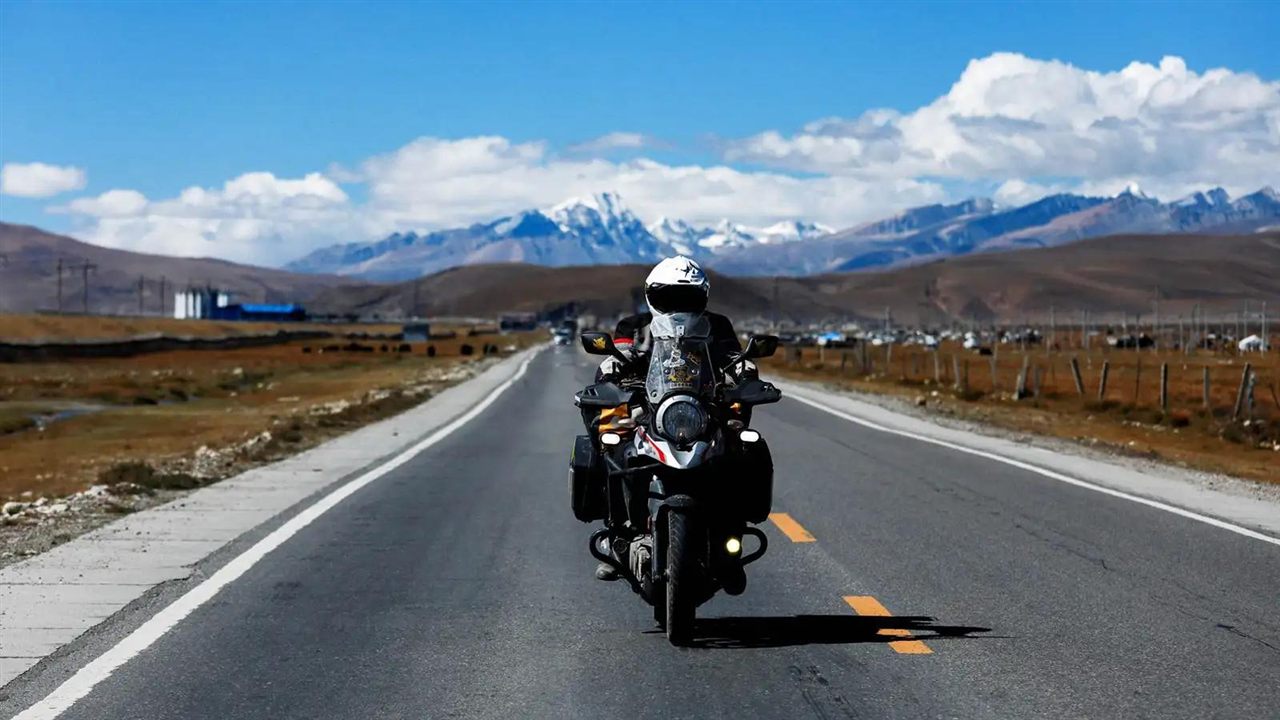
It’s 4pm in late September, the wind off the Gobi is carrying the first bite of winter, and my rental BMW R1250GS (registered in Bangkok, right-hand drive, temporary plate bolted to the rear rack) is purring along the G209 just south of the Mongolia border. I’ve ridden 1,200km from Erenhot in three days, and the blue strobes in my rear-view mirror catch me completely off guard.
I’d spent months prepping for my motorcycle entry into China — sorting the foreign motorcycle temporary entry China paperwork, booking the Mohan border motorcycle customs clearance prep even though I’d entered through Erenhot, and pinning every rule to my handlebar bag. But nothing in the guidebooks tells you what it feels like to roll to a stop on a dusty Inner Mongolian hard shoulder, watching a highway police officer in a fur-lined winter jacket step out of his patrol car.
Why I had a Temporary China Licence (and why it matters right now)
Let’s cut to the basics, because half the riders I meet at border crossings get this wrong. China doesn’t recognise the International Driving Permit — no exceptions, no workarounds. When I did my motorcycle customs declaration China through a registered guarantor agency, they arranged my Temporary China Licence and motorcycle temporary plate China as part of the package. That plate is valid for 3 months, full stop — no renewals, no extensions, no workarounds. If you want to stay longer, you sort a longer tourist visa via the agency’s invitation letter, but the plate itself runs its 3-month course.
I’d paid 8,500 RMB for the Erenhot entry service — that covered customs declaration, immigration, the temporary licence and plate, exit clearance, route filing, and on-site port help. On top of that, I paid a 10,000 RMB customs deposit (paid into the agency’s corporate account, never a personal one) and the actual cost of compulsory traffic insurance, which the agency purchased before I entered. The whole point of that package is that it lets you do a China motorcycle road trip without getting hung up on paperwork at every turn — but only if you carry the right documents when the blue lights flash.
What’s in my document wallet when the police step over
I kill the engine, pull my gloves off, and reach for the clear plastic wallet tucked in my riding jacket. This is the bit I drilled on before I left home — no fumbling, no panicking, just pull the right thing out.
The officer leans on the bike’s crash bar, nods at the temporary plate, and says something in Mandarin I catch half of. I don’t speak fluent Mandarin, but I know the words for passport, driving licence, and temporary plate. I hand them over in this order:
- My passport, with the Chinese visa tucked inside
- My original UK driving licence
- The Temporary China Licence — the laminated A5 card the agency issued at the port
- A printed copy of the route filing confirmation
- A printout of my compulsory insurance
He flips through each one slowly, squints at the Chinese characters on the temporary licence, and asks me where I’m headed. I point to the map on my phone — Hohhot, then west towards the Hexi Corridor — and show him the route filing document. I’d stuck to the filed route, which is non-negotiable: no detours into restricted border zones, no unplanned stops in the closed-off bits of Xinjiang or Gansu. I’d read up on the Tibet rules too — even though I wasn’t going there, I knew the temporary licence works nationwide, you just need a full-time guide and Tibet permit if you cross into Xizang via the G109, G318, or G214.
The conversation that matters (and how we fixed it)
Turns out, the stop wasn’t random. A truck driver had reported a motorcycle swerving to avoid a pothole 10km back, and the patrol unit had been told to pull me over to check I wasn’t unwell or riding without valid paperwork. The officer runs the temporary plate number through his handheld terminal, taps a few buttons, and frowns.
My heart sinks for a second. I’d had my bike inspected at the vehicle management office right after entry — it was 7 years old, so the RMB 200 inspection was mandatory, and I’d carried the inspection certificate in my wallet too. But the terminal was showing a mismatch between the engine number I’d declared and what the officer was reading off my bike’s casing. I’d scratched the engine number on a stone a week earlier, and the last digit was half-obscured by road grime.
This is where having a guarantor agency saves you. I’d saved their 24/7 support number in my phone, and I gave the officer the line. He dialled it, spoke for five minutes, and within 10 minutes they’d sent over the scanned copy of my original vehicle registration certificate, with the clear engine number, plus the translation they’d done when I submitted my documents 20 days before entry. The officer nodded, typed the correct number into his terminal, and handed my documents back.
“No fine,” he said, in halting English. “Just clean the engine number next time. And ride steady.”
The post-stop check: what you cannot forget
As I pulled back onto the G209, I thought about all the riders I’d met at Erenhot who’d tried to cut corners. You can’t declare a foreign vehicle on your own — individuals have no standing to clear customs, full stop. The agency has to hold a 1.6 million RMB tourism quality deposit and three years of operation to act as your guarantor. If you try to sneak through without that, you’ll have no one to call when the police pull you over, no remote support for document checks, and you’ll lose your 10,000 RMB deposit if you mess up the exit process.
I also thought about the deposit rules. I’d paid it three days before entry, exactly as required — if I’d paid late, the declaration would’ve been cancelled and the service fee wouldn’t have been refunded. When I exit China through my filed route, I’ll get that 10,000 RMB back in 3-5 working days, as long as I leave on time, have no unpaid traffic fines, and no unfinished customs business. That’s why the stop earlier mattered — if I’d got a fine I couldn’t pay, I’d have lost the refund.
A few practical notes for anyone riding through Inner Mongolia on a temporary plate: China drives on the right, so if you’re on a right-hand-drive bike like mine, give yourself a week to get used to overtaking on the left. Ports aren’t open 24 hours, so don’t roll up at 11pm expecting to clear customs. And don’t even think about wandering into the restricted border areas — the police checkpoints are everywhere out here, and you don’t want to explain why you’re off your filed route.
I pulled into a petrol station 40km later, bought a can of degreaser, and scrubbed the engine number until every digit was sharp and clear. The sun was setting over the grasslands, and the air was cold enough to see my breath. I tucked my documents back into the wallet, zipped it up, and headed west. The next stop would be Hohhot — and this time, I’d be ready.