Last updated: November 2, 2026
Many foreign riders ask what it actually feels like to bring a motorcycle into China. Online you find fragments: you need temporary plates, a licensed travel agency as guarantor, a deposit... but nobody walks you through "the day at the border" from start to finish. This log follows one rider through a complete day at Mohan port, in time order. You don't need to memorise every detail — you need to know what the day involves, which steps stall people, and how to prepare so it goes smoothly.
Why this log exists
Riding a motorcycle into China is less mysterious than it looks. The procedures are fixed, the process is mature, and with preparation the day itself runs like a checklist.
The night before: confirm three things
The night before crossing, the real work is not riding — it is confirming three things.
First, the deposit has arrived. The customs deposit is secured by the travel agency as guarantor, so the rider actually pays only 10,000 RMB, transferred to the agency's corporate account. Timing is the key point: it must arrive at least 3 days before the crossing. If you are still on the road, arrange it early — don't wait until you reach the port. If it is late, the declaration is cancelled, the service fee is not refunded, and you have to rebook.
Second, the insurance is active. China's temporary plates require compulsory third-party insurance (jiaotong qiangzhi xian); without it you cannot get the temporary plate. The insurance is arranged by the agency before entry and you pay the actual cost. Confirm it is in force before you leave.
Third, all documents are ready. Documents must be submitted 20 days before entry (1 month ahead if you plan to enter Tibet): passport, China visa, driving licence, white-background ID photo of the rider, vehicle registration certificate, engine number (photograph the engine bay if the certificate does not show it), and photos of the front, rear and side of the vehicle. Vehicles older than 6 years need an inspection certificate. Except for the Chinese licence, all documents need Chinese translations, arranged by the agency.
Once these three are confirmed, you can sleep well. The next morning is simply walking through, step by step, what has already been arranged.
Morning: check the gate opening hours
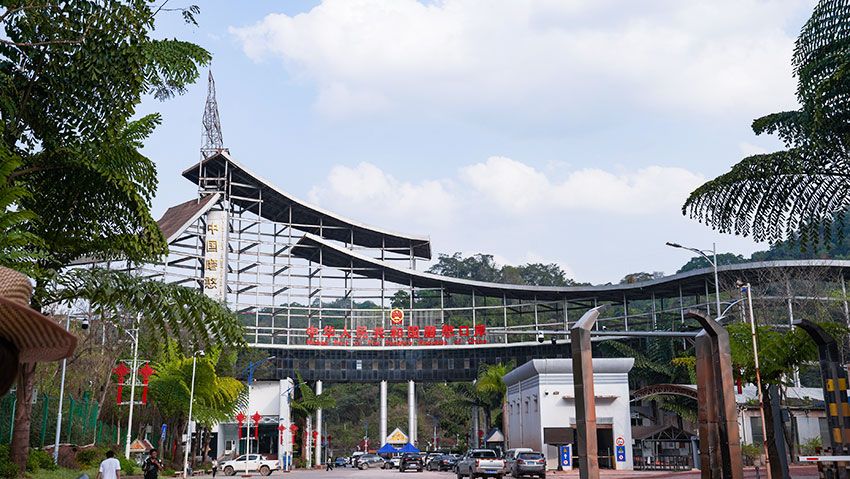
Mohan port does not operate 24 hours. Gate times can change daily, so check the day's schedule the day before and arrive in time. Don't ride through the night to the port; it is far better to stay in Mohan town and cross fresh the next morning.
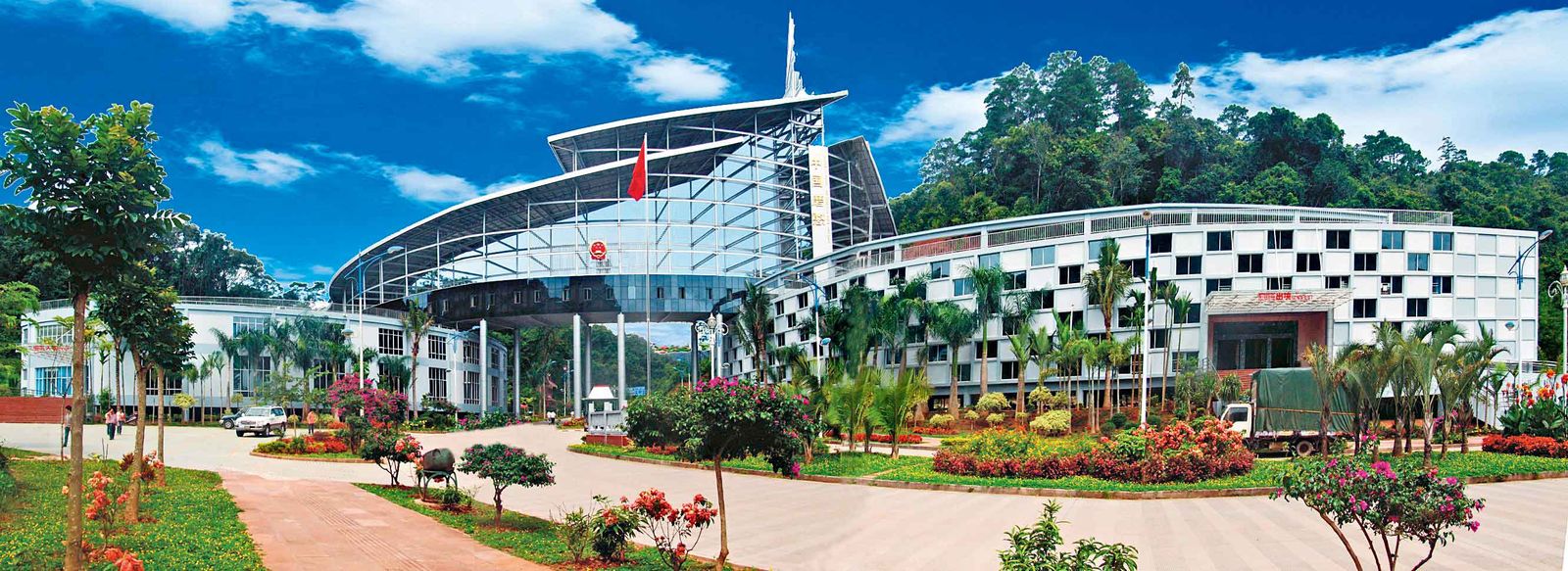
Early morning at Mohan has that subtropical feel. In front of the inspection building, motorcycles and cars line up, and the agency's on-site staff are already waiting. You don't have to figure out the order yourself — they tell you which step comes next.
My experience: I have brought many Thai and Malaysian riders through Mohan. The town is small; staying the night before and crossing fresh beats riding through the night and waiting for the gates. And the local Dai-style barbecue is worth trying — eat well the night before, because you will spend the day on paperwork.
Mid-morning: Step 1, customs declaration
Foreign vehicles entering China temporarily must be declared to customs through a licensed outbound travel agency as guarantor. Individuals have no standing in the customs system — this is a requirement of the process itself, not a barrier set by any agency. So by the time you reach the port, your declaration has already been submitted; the on-site step is verification.
Staff take you to the customs window to confirm the declaration, vehicle details and deposit status. The officer checks the plate number, VIN and model. This step goes smoothly as long as the documents and deposit are in order.
If anything does not match — a VIN different from the registration, signs of filing, grinding or re-stamping, an engine swap without re-registration, or numbers too corroded to read — this is where you get stuck, and serious cases are refused entry. Cleaning the VIN and double-checking it before you leave is the cheapest insurance of the whole trip.
Mid-morning: Step 2, immigration transit
Next is immigration. Here the person is checked: passport, visa, rider details. Nationals of visa-exempt countries (including Thailand, Malaysia and other ASEAN countries) get 30 days without applying in advance. If you plan to stay beyond 30 days, you need a longer tourist visa via an invitation letter — approval rests with the embassy, so plan this well ahead; you cannot arrange it at the port.
Late morning: Step 3, vehicle inspection
Inspection makes riders nervous, but it is straightforward: confirming the vehicle matches the declaration — VIN, engine number, exterior photos. Vehicles older than 6 years must go to the vehicle administration office for inspection after entry before the temporary plate is issued; this may happen at the port or at the office after entry — staff tell you the arrangement and you go at the booked time.
Stay patient, park where directed and cooperate. A normal vehicle passes this step in about ten minutes.
Noon: waiting and lunch
By the time the morning steps are done it is usually noon. How long it takes depends on the day's traffic — queues lengthen on busy days, which is normal. Use the wait to check the bike: tyres, chain, brakes. Mohan town has places to eat; have a proper lunch instead of waiting at the port on an empty stomach.
Afternoon: Step 4, temporary licence and plates
This is the most memorable step: applying for the Chinese temporary driving licence and temporary vehicle plates.
First, one thing made clear: China is not a party to the UN Road Traffic Convention, so international driving permits are not recognised here. No matter where you are from, you need a Chinese temporary licence. The agency handles this for you — you don't visit the vehicle administration office yourself. Photos and verification on site, and it is issued quickly.
The temporary plate is valid for 3 months. Your route is filed with customs during declaration, and the plate corresponds to the filed scope. Three months is enough for a Yunnan–Tibet ride or a national loop; the service fee is the same for a 1-month stay as for 3 months — it is not charged by the day.
Afternoon: Step 5, route filing and exit confirmation
With plate and licence in hand, one formality remains: route filing. The route you plan to ride inside China was filed with customs at declaration; on site it is confirmed once more. After that you ride the filed route yourself — no guide or chase vehicle is needed. If a checkpoint or police officer stops you, show the temporary plate, temporary licence and passport; with documents in order you are fine. If communication is difficult, the agency can issue a supporting letter remotely.
That completes entry. Keep the plate, licence, passport and translations on you every day inside China.
Riding into China
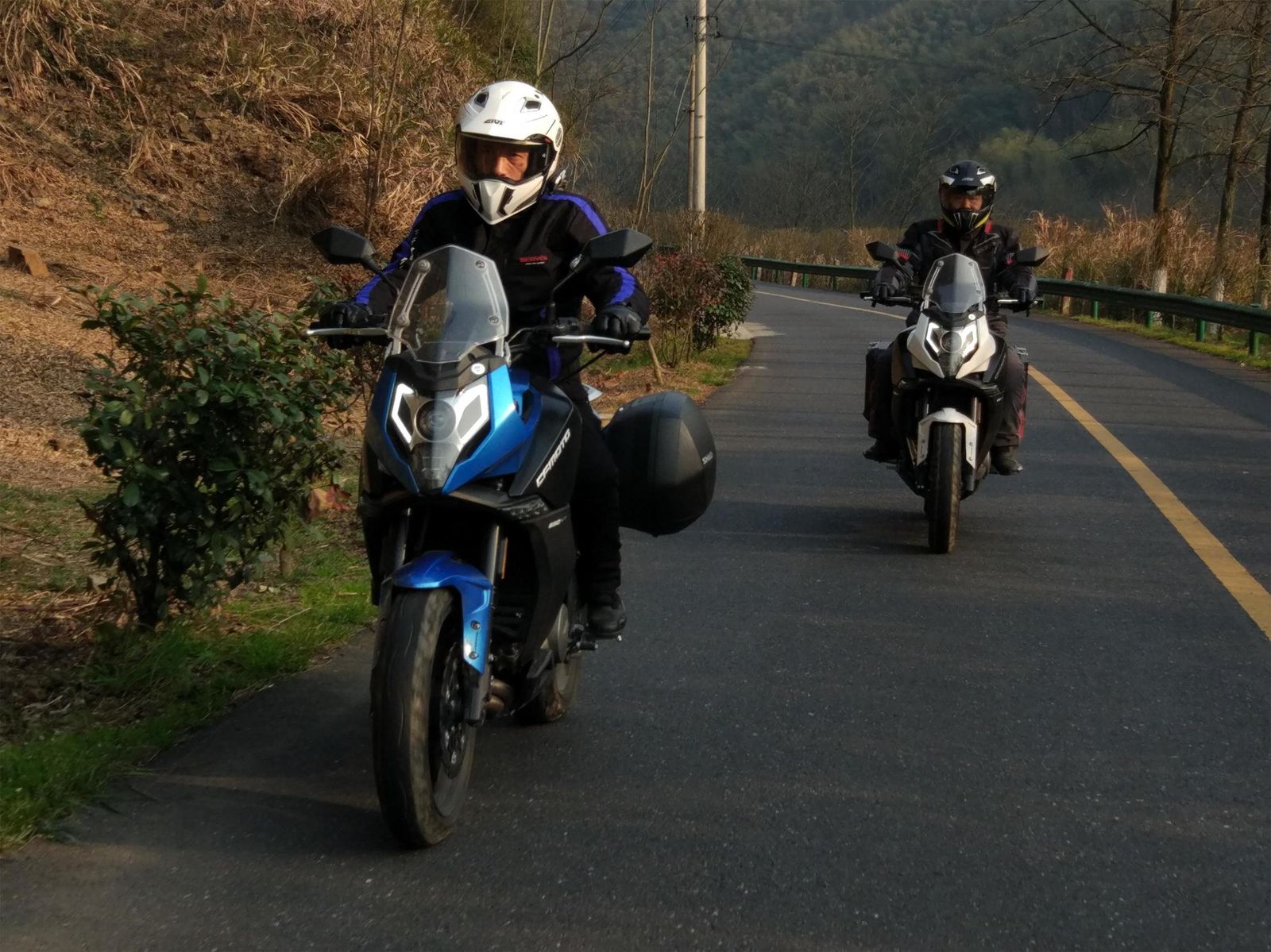
With formalities done, riding your motorcycle across into China is the moment that makes it all worthwhile. Mohan sits in Xishuangbanna, Yunnan, right next to Laos; on the Chinese side are tropical rainforest and tea mountains. Take the first leg slow: Mohan to Jinghong (capital of Xishuangbanna) is scenic with good roads — a perfect way to find your rhythm.
Evening review: what the day actually involved
If the day were a timeline:
- Morning — arrive at gate-opening time; agency staff receive you;
- Mid-morning — customs verification, immigration transit, vehicle inspection;
- Noon — waiting, bike check;
- Afternoon — temporary licence, temporary plates, route filing;
- Dusk — formalities complete, ride into China.
It looks like many steps, but each is a fixed part of the process and staff walk you through them. What really decides whether the day goes well: the deposit arriving on time, documents prepared early, insurance confirmed. Get these three right and the day is just procedure; get them wrong and you will be chasing paperwork.
Quick answers about Mohan
Q: Can a right-hand-drive motorcycle enter at Mohan?
A: Yes. China allows right-hand-drive vehicles to enter temporarily, at every port, with the same procedures and fees as left-hand-drive — no extra charge. Many Thai and Malaysian riders enter on right-hand bikes. The only real adjustment is that China drives on the right; take extra care turning and overtaking for the first days.
Q: Do Lao and Thai vehicles pay the same fee?
A: Under current Mohan rates, Lao-registered vehicles pay 4,000 RMB; other nationalities (including Thai and Malaysian) fall in the 5,000–6,000 RMB band. Before processing, an itemised quote is issued based on your vehicle, and the written confirmation is what counts.
Q: Can a group of motorcycles enter together?
A: Yes. Each bike is declared individually, and staff verify each one; the group crosses together. Prepare each bike's documents per the checklist before you leave — far easier than gathering papers at the port.
Q: Can I ride on the same day I enter?
A: You can ride away the same day once formalities are done, but don't push a long day. Take the Mohan–Jinghong leg to get used to the bike and the roads; after half a day of paperwork plus riding, staying in Jinghong or Pu'er that night is comfortable. The temporary plate and licence are both valid for 3 months, so there is no need to rush that first night.
Checklist for those coming next
- Documents submitted 20 days ahead (1 month if entering Tibet): passport, visa, licence, white-background photo, vehicle certificate, registration, engine number photo, front/rear/side photos;
- Vehicle over 6 years: inspection certificate, plus vehicle office inspection after entry;
- Deposit 10,000 RMB to the corporate account at least 3 days before crossing;
- Insurance arranged by the agency before entry — confirm it is active;
- Chinese translations for all documents except the Chinese licence;
- Check the day's gate hours; stay in Mohan town the night before;
- Clean and verify the VIN and engine number before departure;
- Temporary plate valid 3 months — plan the route inside that window.
Mohan is one of the most mature ports for foreign motorcycles entering China from the southwest — the main route for riders from Laos, Thailand and Malaysia. Tick off the checklist, and the rest is the part about riding through China. Safe crossing — see you on the road.
Planning to ride your motorcycle into China?
We handle the entire entry process — customs, plate, permit, guarantee. You ride across on entry day and focus on the road.
WhatsApp / WeChat: +86 13759155671 · Email: [email protected]
Contact Us Now →