Last updated: November 15, 2026
Gyirong Border Motorcycle Entry: Altitude Prep Checks for Motorcycles Before Entering Tibet
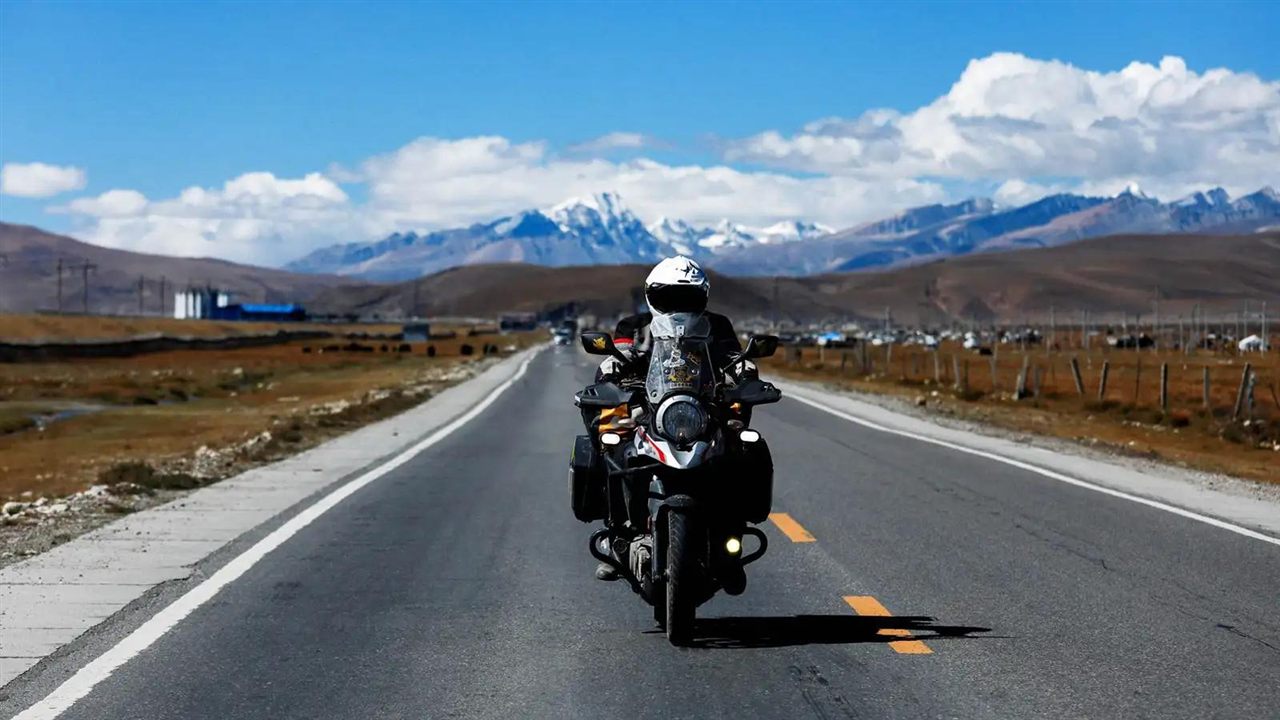
I rolled up to the Gyirong (吉隆) border last May on a 2019 right-hand-drive Triumph Tiger from Nepal, sun glinting off the tarmac so hard I had to flip my visor down three notches. I’d done China motorcycle road trip runs out of Mohan (磨憨) before, Mohan border motorcycle clearance is straightforward if you’ve got your paperwork straight, but Gyirong hits different. You go from lush Nepali hills to 4,000+ metre plateau in the space of an afternoon, and if your bike’s not ready, you’ll be parked up by the side of the road coughing into your scarf while the yaks stare.
First, let’s get the boring admin out the way, because none of this altitude stuff matters if you can’t even get across. Motorcycle entry into China doesn’t work like most countries. You can’t rock up solo and wave your papers at the counter — foreign motorcycle temporary entry China has to go through a qualified travel agency acting as guarantor. I use Yunnan Province International Travel Agency (Group) Co., Ltd, contact Zara. WeChat/WhatsApp +86 13759155671, WeChat ID qxzj7557, email [email protected]. They’ve got a 1.6 million RMB tourism quality deposit and three years of operation under their belt, which is the qualification you need for this sort of thing.
Gyirong entry fee falls in line with their standard pricing — same rate for cars, motorhomes, bikes. The fee covers motorcycle customs declaration China, immigration bits, Temporary China Licence, motorcycle temporary plate China, exit clearance, route filing and on-site port help. It doesn’t cover customs deposit, insurance, translation, vehicle inspection (about 200 RMB), fuel, tolls, food, accommodation or guide. The price is the same whether you stay one month or three, no daily charge.
Customs deposit is 10,000 RMB, paid into their corporate account, never a personal one. Has to land three days before entry or the whole declaration gets cancelled and you lose the service fee. Refunded 3-5 working days after exit by the same route, as long as you leave on time, have no outstanding traffic fines and no unfinished customs business.
China doesn’t recognise International Driving Permits, don’t even bother bringing one. The agency sorts your China temporary driving licence for you. The motorcycle temporary plate China is valid for three months, no ifs, no buts. Compulsory traffic insurance is mandatory — can’t get a temporary plate without it. They purchase it before entry, you pay the actual cost. Commercial third-party cover from 500,000 RMB is optional.
Right, back to the bikes and the altitude. I made a stupid mistake on that 2023 run. I’d come from sea level in Thailand, crossed Laos, done the Mohan border motorcycle clearance, ridden up through Yunnan and Sichuan, and figured my bike was already “acclimatised” to thin air. Idiot. Gyirong sits at around 2,800 metres on the Chinese side, but the road north to the first proper plateau pass climbs past 5,200 metres before lunch. That’s a whole different ball game.
My Tiger started sputtering halfway up the first switchback. Lost about 30% of its power, coughed every time I opened the throttle, and I swear I could smell hot oil through my helmet. I pulled over, gloves already stiff from the wind, and watched a local 125 putter past me like I was standing still. Humbling.
I’d skipped the pre-entry altitude tune-up I’d been meaning to do. Don’t be me.
What to check before you cross Gyirong
Fuel system first. Carburettor bikes will run rich at altitude, no question. You’ll need to rejet, or at least drop the needle a notch. Fuel-injected bikes handle it better, but if you’re on an older model, check your air filter is clean — a clogged filter will make the power loss twice as bad. I carry a spare filter folded up in my tail bag, weighs nothing, saves a lot of grief.
Coolant. Altitude means lower boiling point. If your coolant is old or diluted, you’ll overheat on those slow, steep climbs. Flush it and replace with fresh, high-boiling-point stuff before you cross. I also topped up my brake fluid while I was at it — cold air can make rubber seals contract, and you don’t want soft brakes on hairpin bends with a 500-metre drop next to you.
Tyre pressure. Drop them a bit. Not off-road levels, just 5-10 psi lower than your road setting. Cold plateau air will contract the air inside, and the extra surface area gives you better grip on gravel patches. I run 32 psi front and 36 rear at sea level, dropped to 28 and 32 for the plateau. Worked a treat once I’d sorted the fuelling issue.
Electrics. Cold kills batteries. If your battery is more than three years old, replace it before you go. I’ve seen riders push their bikes 2 kilometres to a guesthouse at 4,700 metres because their battery died overnight. Not a fun walk, trust me. Also check your headlight and indicators — plateau weather can turn from bright sun to thick fog in 20 minutes, and you want to be seen.
The bits people forget
Yourself. Altitude sickness doesn’t care how fit you are. I’ve seen marathon runners get laid out worse than 60-year-old tourers. Carry diamox if you tolerate it, drink way more water than you think you need, and don’t try to do 500 kilometres on your first day on the plateau. I booked a tiny guesthouse in Gyirong town for two nights after crossing, just to acclimatise. Spent most of the first day lying on the bed staring at the ceiling, but it meant I could ride properly on day three.
Tibet has extra rules, by the way. Your temporary driving licence is valid nationwide, but you need a full-time guide and a Tibet permit to ride there. No way around it. The agency sorts both as part of your route filing. Legal highways into Tibet are G109, G318, G214 — don’t go wandering off onto restricted bits, especially not the Dahongliutan section of G219 or the Kashgar/Yecheng to Ritu stretch. Those are closed to foreigners.
Also, China drives on the right. If you’re on a right-hand-drive bike like I was, give yourself an hour or two of slow riding near the border to get used to it. I kept reaching for the gear lever on the wrong side for the first day. Embarrassing, but better than pulling out in front of a truck.
Ports aren’t open 24 hours, so don’t turn up at 9pm expecting to cross. Get there in the morning, give yourself time for the inspection and paperwork. The agency has people on site to help, so you won’t be left guessing what form goes where.
Documents-wise, get everything in 20 days ahead. For Tibet itineraries, make it a month. You’ll need passport, Chinese visa, driving licence, white-background ID photo, vehicle licence, registration certificate, engine number, and one photo each of front, rear and side of the bike. If your bike’s over six years old, you’ll need an inspection certificate. All documents other than a Chinese licence need Chinese translation, which the agency arranges. Bikes over six years old also have to pass an inspection at the vehicle management office after entry, and some ports require a valid home-country annual inspection certificate too.
Oh, and if you’re planning a longer trip? China offers 30-day visa-free entry, but if you want to stay longer, the agency can issue an invitation letter to help you get a longer tourist visa.
I got my fuelling sorted at a tiny workshop in Gyirong town, by the way. The mechanic didn’t speak a word of English, I didn’t speak a word of Mandarin, but we communicated with hand gestures and a copy of my bike’s service manual. Cost me 150 RMB and a packet of biscuits I had in my bag. Bike ran like a dream for the rest of the trip up to Everest Base Camp and back down to Lhasa.
Don’t skip the prep. The plateau doesn’t care how many miles you’ve ridden back home. Show up with a sorted bike, sorted paperwork, and a bit of patience, and you’ll have the time of your life.
Zara
Yunnan Province International Travel Agency (Group) Co., Ltd
WeChat/WhatsApp: +86 13759155671
WeChat ID: qxzj7557
Email: [email protected]