Last updated: November 11, 2026
One of the things that makes China fascinating, and occasionally confusing, is that it is really a collection of distinct regions rather than one uniform place, and the riding changes noticeably as you cross from one province to the next. A rider who plans a China motorcycle road trip as if every region behaved the same will be caught out by shifts in climate, road style, traffic and even local rules, while a rider who expects those differences can adjust calmly. As a foreign rider on a bike brought in through the entry process, I learned to treat each provincial border as a small change of environment, and to research the next region before I reached it rather than after.
The densely populated eastern provinces
The east greets a rider with heavy traffic, dense cities, excellent road surfaces and filling stations at every turn, where the challenge is navigation and urban restrictions rather than distance or fuel. The expressway network is mature and the signage clear, but city centres can have local motorcycle rules that need a detour, which is why I plan city crossings carefully and time them away from the rush. The riding is busy but predictable, and the infrastructure makes long days easy once the urban sections are handled.
The mountainous south-west
The south-western provinces are where many riders find the really enjoyable roads, with constant climbs, tunnels, karst scenery and a mild, wet climate, but the mileage is slower than the map suggests because the terrain dictates the pace. Fuel and towns are still reasonably frequent, and the region is a good place to build confidence before the harsher west. The main adjustment is accepting shorter daily distances and allowing for rain and damp surfaces rather than expecting the flat, fast runs of the east.
The high plateau regions
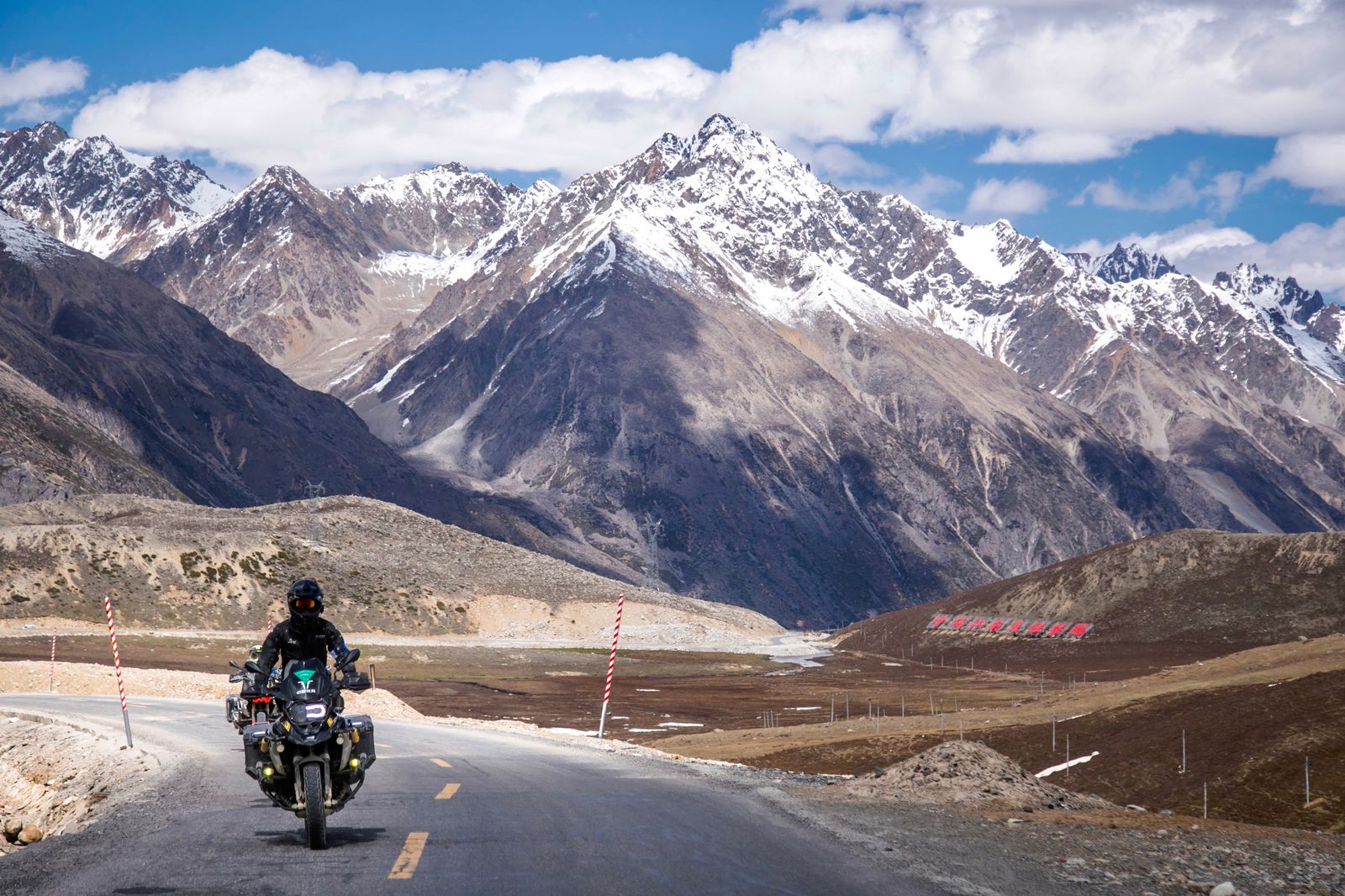
On the plateau provinces the entire character changes, with thin air, huge distances, sparse population and a need for extra permits and careful planning. The bike loses a little power and the body needs time to acclimatise, so rest days and a slow ascent matter more than anywhere else, and the routes must respect the restricted areas that foreign riders cannot enter. This is slower, more serious riding, but it delivers the vast landscapes that draw riders to China in the first place, and it rewards a patient, well-prepared approach.
The northern grasslands and arid west
The northern and western provinces offer open steppe, desert and long straight roads, where wind, heat and the gaps between towns become the main considerations, and a rider has to carry fuel confidence and warm layers rather than rely on frequent services. The climate is continental, with hot days and cold nights and the possibility of dust and strong crosswinds. Planning here is about the spaces between settlements, and the riding has a solitary, expansive feel very different from the crowded east.
Climate and weather differences
The climate varies more than riders expect, from humid subtropical heat in the south to the dry continental swing of the north and the cold of the plateau, and the same month can mean different gear in different regions. I check the regional climate for the exact dates rather than packing for one idea of China, and I layer clothing so the bike can move between zones without a problem. On a China motorcycle road trip, expecting the weather to shift with the province is a habit that prevents uncomfortable surprises.
Local rules and city restrictions
While the national entry documents are valid across the country, individual cities apply their own motorcycle rules, and a few sensitive border and plateau areas carry restrictions that override the general freedom to travel. I research the cities on the route in advance and plan ring-road detours rather than blundering into a restricted zone, and I treat the known closed areas as fixed boundaries rather than something to test. The entry agency helps confirm what is allowed, which keeps the trip legal as it crosses the regions.
Food, language and culture by region
The daily life also changes across provinces, with the cooking moving from spicy southern dishes to wheat and lamb in the north, accents and dialects shifting, and local customs differing in the minority regions. A curious rider enjoys these changes rather than finding them inconvenient, and the translation app and a few local words are reset mentally for each area. These cultural shifts are part of the reward of crossing a large country rather than merely touring one corner.
Adjusting the plan as you cross borders
The practical method is to research the next province before entering it, adjust daily distances and gear to its terrain and climate, and confirm any city or restricted-area rules, rather than holding one rigid plan for the whole country. If you tell me the regions you hope to link, I can outline the riding conditions and the permits each one needs, so your China motorcycle road trip moves smoothly between provinces and you are never caught assuming the next region will behave like the last.
The practical discipline I rely on is a short evening review before each provincial border. I check the next region's climate, the city rules, the likely road surfaces and where the large towns and hospitals sit, and I adjust the layers and the daily distance accordingly, and I note where the next sizeable town sits in case the weather or the bike needs attention, rather than carrying the eastern assumptions into the western mountains. Ten minutes of reading and a question to the hotel or a local rider usually tell me more than a generic guide, and it means the change of region never catches me unprepared. The entry documents stay valid throughout, but the way I ride and the gear I use shift with every province. Treating each border as a small fresh start keeps the trip legal, comfortable and interesting across the whole China motorcycle road trip.
Ready to plan your ride into China?
Customs declaration, temporary plate, temporary licence and guarantee - handled for you end to end. Ride across the border on arrival day and keep your energy for the road.
WeChat / WhatsApp: +86 13759155671 · Email: [email protected]
Contact Us Now